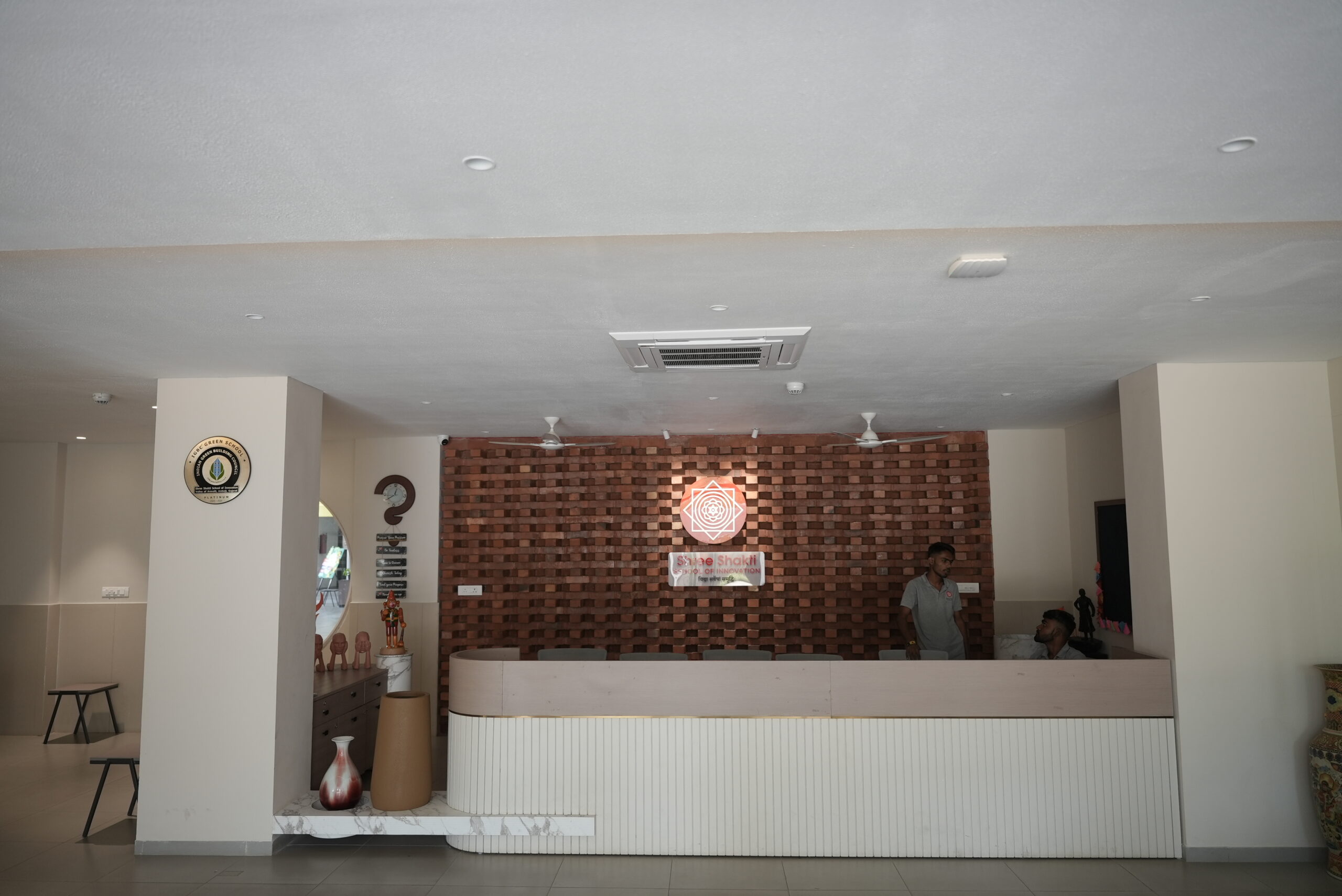
For generations, the traditional parent teacher meeting in school has caused unnecessary stress. In conventional schools, PTMs often boil down to rushed five-minute exchanges about exam marks and disciplinary notes. True education, however, is never limited to classroom walls. When educators and parents unite as trusted partners, a child's learning journey turns into an inspiring path of curiosity and confidence. At Shree Shakti School of Innovation (SSI) Ambaji, we view the parent-teacher conference as an empowering dialogue designed to support every dimension of a child's growth.
Table of Contents
- What Is the Real Purpose of a Parent-Teacher Meeting in School?
- Why Is Parent-Teacher Collaboration Essential for Child Growth?
- What Questions Should Parents Prioritize During PTM?
- How Can Parents Prepare Effectively Before Attending a PTM?
- How Does SSI Ambaji Reimagine PTMs Through the Panchkosha Model?
- How Do PTMs Support Residential Boarding Students at SSI?
- What Action Plan Should Families Follow at Home After the Meeting?
- Frequently Asked Questions (FAQs)
- Conclusion: Uniting Home and School for Lifelong Student Success
1. What Is the Real Purpose of a Parent-Teacher Meeting in School?
The core objective of a parent teacher meeting in school extends beyond reviewing report cards. A PTM acts as a vital bridge between home and school. Children spend their formative years navigating both spaces, often displaying different strengths and emotional patterns in each setting.
A well-structured PTM provides a dedicated space to examine how a student thinks, collaborates, and navigates challenges. Rather than evaluating exam scores alone, educators and parents discuss how the child tackles setbacks and relates to peers. When parents consult a complete parent's guide to choosing the right school, they discover that institutions prioritizing transparent parent dialogues build higher student confidence and long-term academic curiosity.
2. Why Is Parent-Teacher Collaboration Essential for Child Growth?
Educational research confirms that students achieve greater emotional stability and intellectual progress when parents and educators actively collaborate. The importance of parent teacher meeting sessions lies in building consistency across a student's daily routine. When teachers and parents align, children experience consistent guidance regarding values, discipline, and study habits.
Furthermore, strong home-school synergy enables early intervention. Whether a learner faces conceptual hurdles in mathematics, social hesitation, or assessment anxiety, timely alignment between adults resolves concerns early. In learning environments with a low student teacher ratio in cbse schools, mentors possess the bandwidth to observe individual learning patterns and offer personalized insights during every parent consultation.
3. What Questions Should Parents Prioritize During PTM?
To turn a consultation into a catalyst for progress, parents should ask open-ended, insightful questions. Moving beyond surface-level queries regarding exam grades uncovers practical insights into conceptual mastery and character development. Strategic parent teacher meeting questions include:
- Conceptual Engagement: "Which subjects spark my child's curiosity, and where do they face learning hurdles?"
- Social Dynamics: "How does my child collaborate during team assignments and sports? Do they exhibit empathy?"
- Resilience: "When facing a difficult concept or receiving critique, how does my child respond?"
- Self-Regulation: "Does my child manage classroom tasks independently and organize study materials?"
- Home Alignment: "What specific practices can we implement at home to reinforce classroom concepts?"
4. How Can Parents Prepare Effectively Before Attending a PTM?
Thoughtful preparation helps parents maximize their time with educators, keeping conversations focused, collaborative, and productive:
- Talk to Your Child First: Have a calm conversation with your child beforehand. Ask which subjects they enjoy and what questions they want raised.
- Review Recent Classwork: Examine recent assignments and worksheets to identify recurring strengths and areas needing improvement.
- Note Down Key Topics: Write down three specific topics to discuss, keeping your consultation structured and efficient.
- Maintain an Open Mindset: Approach educators as dedicated partners working toward your child's success, fostering mutual trust and collaborative solutions.
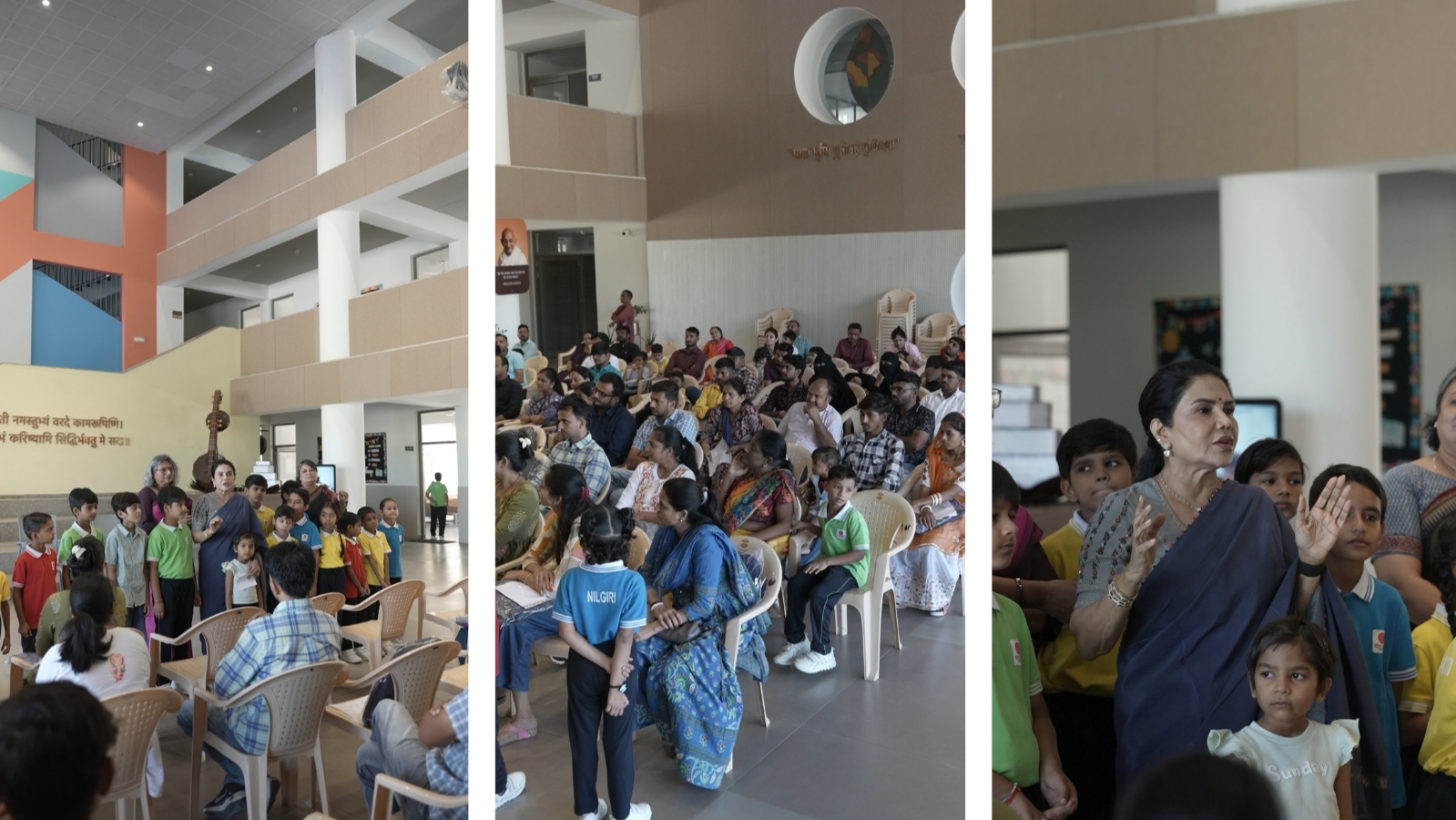
5. How Does SSI Ambaji Reimagine PTMs Through the Panchkosha Model?
At Shree Shakti School of Innovation (SSI) in Ambaji, we replace stressful evaluation models with comprehensive, 360-degree assessment. Grounded in ancient Indian wisdom and modern CBSE standards, our philosophy centers on the Panchkosha educational framework. During PTMs at SSI, educators share developmental observations across all five sheaths:
- Annamaya Kosha (Physical Health): Reviewing motor skills, physical posture, athletics, and dining hall nutrition.
- Pranamaya Kosha (Vital Energy): Observing enthusiasm, breathwork practice during morning yoga, and sustained mental vitality.
- Manomaya Kosha (Emotional Balance): Assessing emotional self-regulation, peer empathy, classroom behavior, and respect for others.
- Vijnanamaya Kosha (Intellectual Acumen): Evaluating critical inquiry, scientific curiosity, robotics problem-solving, and conceptual clarity.
- Anandamaya Kosha (Inner Joy): Nurturing artistic expression, moral grounding, intrinsic happiness, and harmonious peer bonds.
Led by the experienced faculty and leadership at SSI, this multidimensional review provides parents a holistic understanding of their child's authentic growth.
6. How Do PTMs Support Residential Boarding Students at SSI?
For families whose children reside on campus, parent-teacher conferences carry unique importance. Residential life nurtures self-reliance, emotional maturity, and communal living. At our residential school in Ambaji, PTMs serve as collaborative tripartite conferences uniting parents, subject teachers, and resident hostel rectors.
During these sessions, parents receive updates on hostel living, supervised evening prep, balanced dining, and athletic coaching. Hostel rectors explain how students adapt to communal living and benefit from our digital detox policy. These conferences reassure parents that their child thrives within a secure, nurturing environment guided by compassionate mentors.
7. What Action Plan Should Families Follow at Home After the Meeting?
The true impact of any PTM unfolds after parents return home. How parents debrief their child determines whether they feel motivated or discouraged:
- Highlight Achievements First: Begin by sharing positive teacher feedback. Acknowledging effort builds confidence and creates an open atmosphere.
- Discuss Growth Areas Constructively: Frame teacher suggestions as positive opportunities for growth rather than shortcomings.
- Set Manageable Goals Together: Define two achievable weekly targets, such as setting aside focused reading time or organizing study schedules.
- Stay in Regular Contact: Maintain periodic communication with educators across the academic term, ensuring home and school stay aligned.
Frequently Asked Questions
What is the primary objective of a parent-teacher meeting in school?
The primary objective is to build an active partnership between parents and educators. It provides a collaborative forum to review academic progress, emotional well-being, and social development, ensuring consistent guidance across home and school environments.
What questions should parents prioritize asking teachers during a PTM?
Parents should ask questions about conceptual understanding, peer interactions, emotional resilience, and independent study habits. Inquiring about how the child handles setbacks and works in teams provides deeper insights than focusing solely on exam marks.
How does SSI Ambaji conduct parent-teacher meetings differently?
SSI Ambaji evaluates students through the ancient Panchkosha framework. Mentors provide 360-degree feedback covering physical health, emotional balance, intellectual curiosity, creative expression, and moral grounding, treating each child as an evolving individual.
How do PTMs work for residential and boarding school students at SSI?
For residential scholars, PTMs unite parents, academic subject teachers, and resident hostel rectors. Discussions cover evening prep, dorm routines, nutrition, peer bonding, and personal development, ensuring parents feel completely reassured regarding student well-being.
How can prospective parents experience SSI Ambaji's learning environment?
Prospective parents can review our school admission guide online or book a campus tour. Visiting the campus allows families to explore our peaceful Aravalli foothill setting, meet mentors, and observe holistic education firsthand.
9. Conclusion: Uniting Home and School for Lifelong Student Success
A parent-teacher meeting is an essential stepping stone toward lifelong achievement. When parents and educators collaborate with mutual trust, children feel secure, valued, and inspired to reach their full potential. At Shree Shakti School of Innovation in Ambaji, we walk alongside parents to nurture curious minds and strong character. We invite families to connect with our mentoring community and experience how true educational partnership transforms learning.
Ready to Give Your Child a Future-Ready Education?
See if SSI Ambaji's nature-based, innovation-first CBSE program is the right fit for your child. Admissions are open for boarding, residential, and day school.