
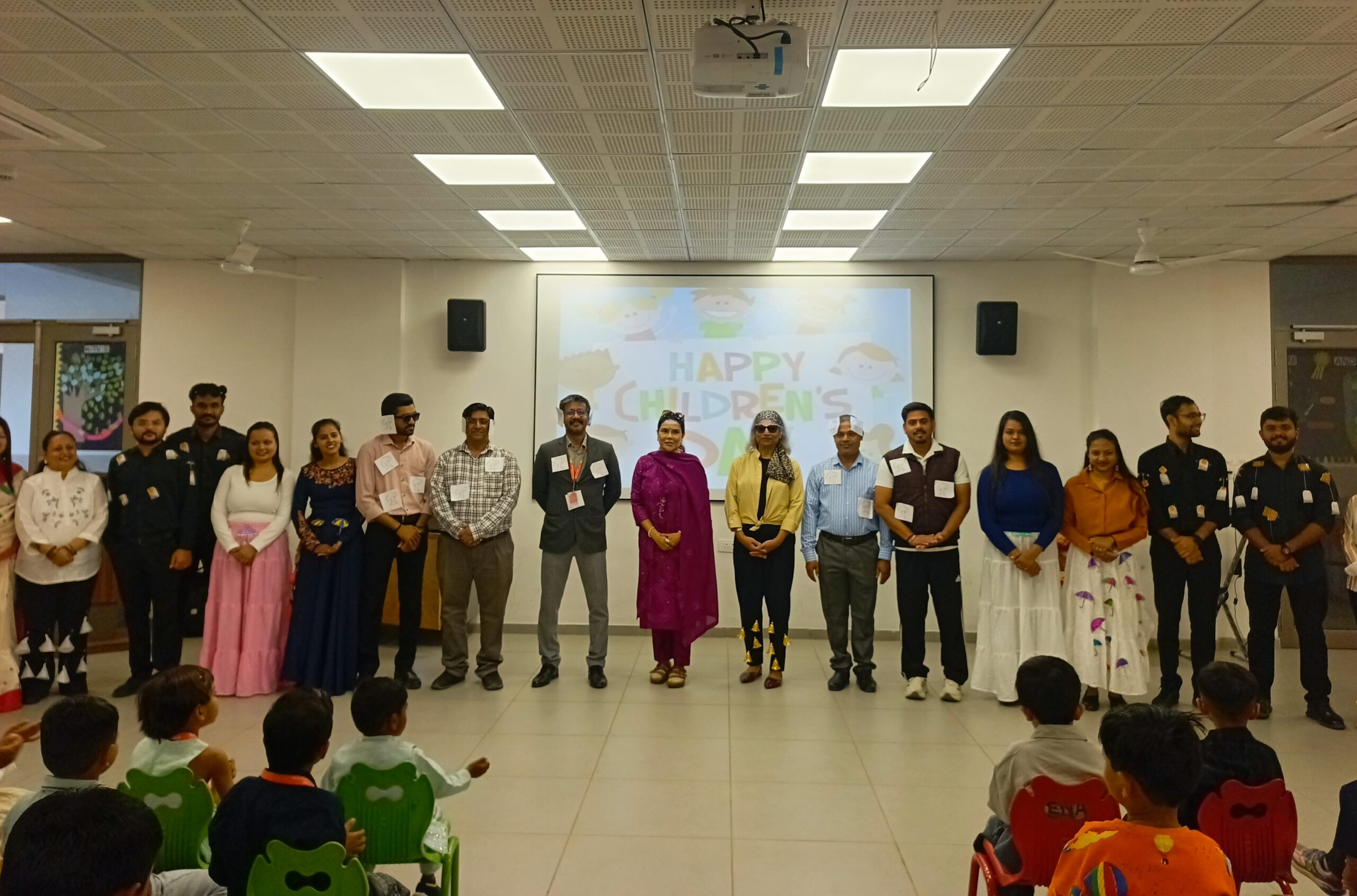
Every year on November 14, schools celebrate Bal Diwas (Children's Day), honoring Pandit Jawaharlal Nehru's belief that children form the nation's foundation. A meaningful Children's Day celebration in school transcends routine stage speeches and sweets. It serves as an authentic reaffirmation of child-centric learning, emotional well-being, and creative autonomy.
Childhood is a precious phase of wonder and curiosity. When schools dedicate intentional time to celebrate children, they nurture safe learning spaces where young minds feel heard and valued. At Shree Shakti School of Innovation (SSI) in Ambaji, Bal Diwas is approached as a festival of youthful potential, combining playful discovery with character building rooted in nature and modern inquiry.
Table of Contents
- What Is the True Significance of Children's Day in Modern Education?
- How Does Celebrating Childhood Support Holistic Panchkosha Development?
- What Meaningful Children's Day Activities Inspire Students at School?
- Why Is Joyful, Stress-Free Play Essential for Academic Growth?
- How Does SSI Ambaji Celebrate Bal Diwas Beyond Routine Festivities?
- How Can Parents and Teachers Partner to Celebrate Children Daily?
- Frequently Asked Questions (FAQs)
- Conclusion: Empowering Young Minds to Lead, Innovate, and Flourish
1. What Is the True Significance of Children's Day in Modern Education?
Educational research confirms that students thrive academically when emotional needs are honored. In exam-heavy climates, schooling can feel transactional. Celebrating Bal Diwas provides a vital pause, redirecting focus toward what truly matters: the happiness, curiosity, and dignity of every learner.
A thoughtfully designed Children's Day celebration in school reminds educators that teaching is fundamentally mentorship. Rather than viewing children as passive recipients of curriculum, schools recognize them as active explorers. Shifting the atmosphere from evaluations to celebration creates a sense of belonging that strengthens academic resilience and social confidence. As highlighted in our cultural values in Indian education guide, honoring youth is a foundational principle of character building.
2. How Does Celebrating Childhood Support Holistic Panchkosha Development?
Indian philosophy offers a comprehensive roadmap through the ancient Panchkosha model. When schools structure celebrations around holistic principles, every layer of the child's persona is enriched:
- Annamaya Kosha (Physical): Outdoor sports and movement games promote somatic vitality and bodily awareness.
- Pranamaya Kosha (Vital Energy): Laughter and exploration in fresh mountain air balance breath and relieve stress.
- Manomaya Kosha (Mental-Emotional): Performing arts, teacher skits, and peer bonding cultivate emotional security.
- Vijnanamaya Kosha (Intellectual): Curiosity challenges and collaborative games stimulate analytical reasoning.
- Anandamaya Kosha (Bliss): Pure joy connects children to their deepest state of natural happiness.
Through this approach, Bal Diwas becomes an immersive experience that nurtures mind, body, and spirit in harmony.
3. What Meaningful Children's Day Activities Inspire Students at School?
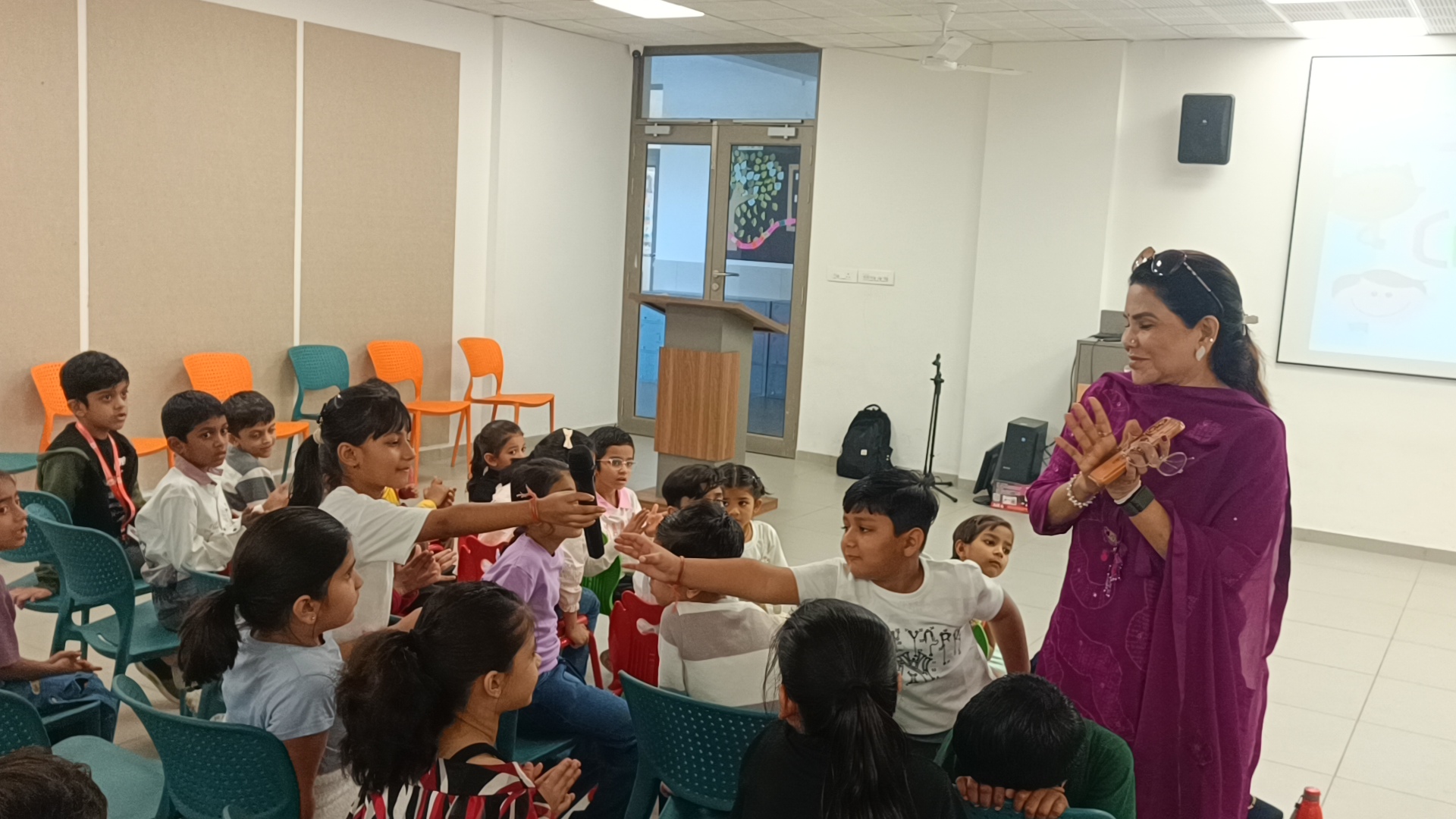
To make Children's Day memorable, progressive schools replace repetitive formalities with interactive experiences that honor student agency:
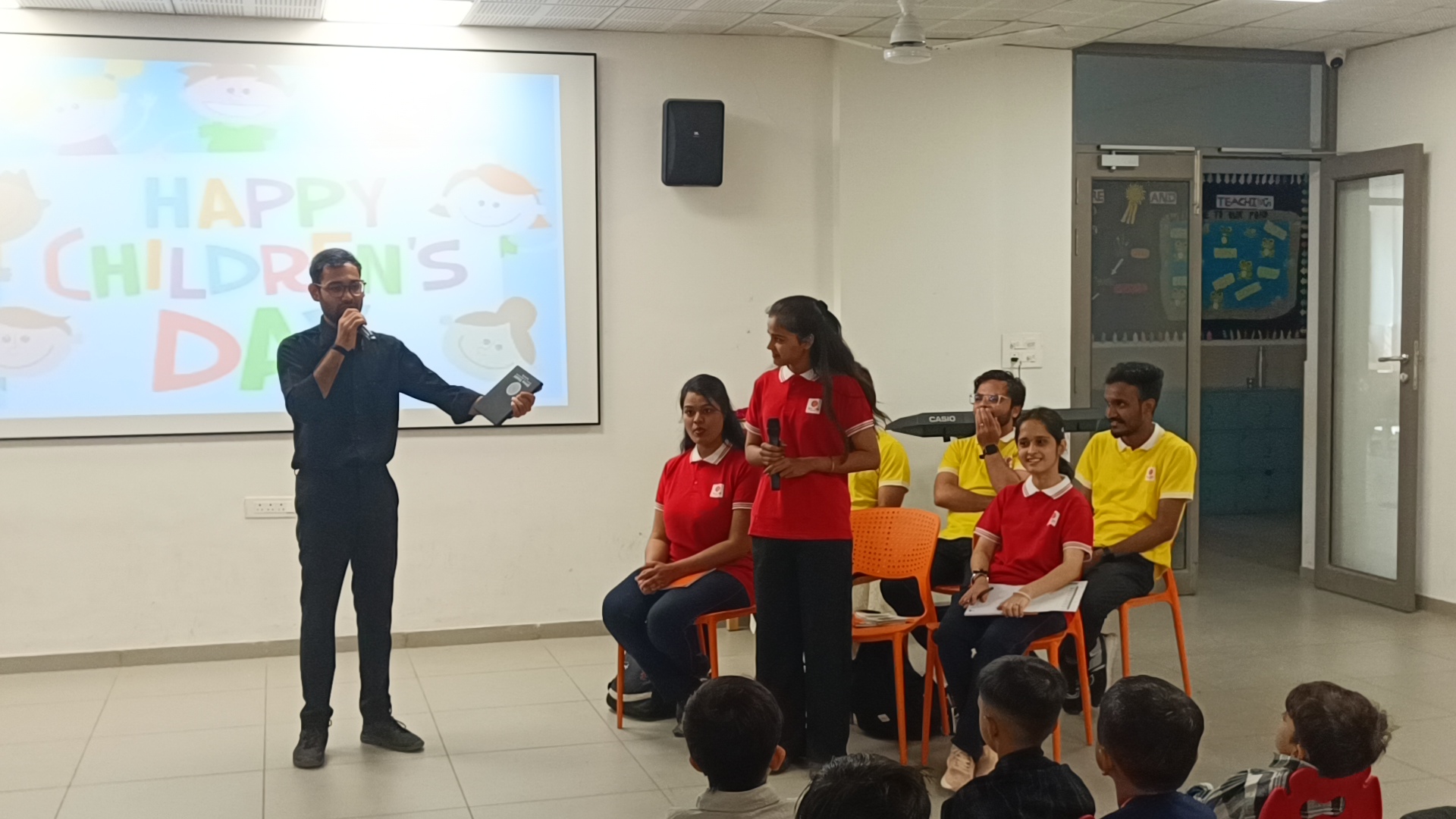
- Teachers-on-Stage Performances: Humorous skits and music by educators dissolve hierarchies, making children feel cherished.
- Student Talent Showcases: Creative booths where learners display personal interests encourage intrinsic motivation.
- Traditional Indian Games: Reviving games like Kho-Kho, Kabaddi, and sack races fosters motor skills and teamwork.
- Hands-On Maker Workshops: Engaging students in clay modeling or eco-crafting transforms screen time into creative invention.
- Acts of Kindness: Creating thank-you cards for campus helpers instills gratitude, mirroring lessons from our Rakshabandhan celebration in school guide
4. Why Is Joyful, Stress-Free Play Essential for Academic Growth?
Neuroscience confirms that playful learning activates executive functioning in developing brains. Joyful play releases dopamine and endorphins, neurotransmitters enhancing memory retention and cognitive flexibility.
Purposeful play is the engine fueling intellectual curiosity. In a supportive atmosphere, children take intellectual risks without fear of mistakes. They experiment with hypotheses, negotiate rules with peers, and build emotional self-regulation. By integrating play into school events, educators create positive neural associations with learning that endure across life, supporting the foundational principles of holistic child-centric education.
5. How Does SSI Ambaji Celebrate Bal Diwas Beyond Routine Festivities?
At Shree Shakti School of Innovation (SSI) in Ambaji, education is guided by the philosophy "Ancient Roots, Frontier Skills." Situated near the serene Aravalli hills in North Gujarat, SSI provides a nature-immersed campus where childhood is celebrated as a daily adventure.
During Bal Diwas, the campus comes alive with experiential discovery across learning stages. In early years, children participate in sensory nature trails and clay-play exploration. In middle years, learners dive into STEM challenges, astronomy setups, and theatrical performances. Through our structured co-curricular activities at SSI and the guidance of the Panchkosha educational framework, every student is encouraged to explore their unique potential.
6. How Can Parents and Teachers Partner to Celebrate Children Daily?
While school celebrations establish a joyous milestone, nurturing a child's potential is a continuous effort shared between educators and families. Sustaining this encouragement requires intentional daily habits:
- Listen Actively: Set aside 15 minutes daily where your child talks freely about their curiosities.
- Celebrate Effort Over Outcome: Praise perseverance and creativity rather than focusing solely on competitive marks.
- Limit Passive Screens: Replace excessive digital scrolling with family reading sessions and nature walks.
- Maintain Open Dialogue: Consistent communication between parents and educators ensures subtle shifts are addressed early, as detailed in our collaborative parent-teacher partnership guide.
7. Frequently Asked Questions (FAQs)
Why is Children's Day celebrated on November 14 in Indian schools?
Children's Day is celebrated on November 14 to honor Pandit Jawaharlal Nehru's birth anniversary. Affectionately called Chacha Nehru, he advocated passionately for children's welfare, education, and holistic growth.
How does Children's Day celebration in school benefit a child's mental health?
Celebrating Children's Day creates a joyful, low-stress environment where students feel valued. Engaging in arts, sports, and collaborative games relieves exam anxiety, boosts self-esteem, strengthens friendships, and fosters resilience.
What are the best school activities for an engaging Bal Diwas event?
Engaging activities include teacher skits, outdoor sports, maker fairs, science challenges, talent showcases, and gratitude cards for campus staff. These activities combine playful joy with social learning.
How does SSI Ambaji integrate holistic development into festival celebrations?
SSI Ambaji anchors events in the Panchkosha framework. Celebrations blend physical sports (Annamaya), breathing exercises (Pranamaya), creative expression (Manomaya), inquiry challenges (Vijnanamaya), and spontaneous play (Anandamaya).
How can parents apply for admission to Shree Shakti School of Innovation?
Parents can explore our school admission guide online or book a campus visit in Ambaji. Touring our nature-immersed campus enables families to interact with educators, explore labs, and experience our philosophy firsthand.
8. Conclusion: Empowering Young Minds to Lead, Innovate, and Flourish
Every child enters the world with an insatiable hunger for discovery and an innate capacity for joy. A meaningful Children's Day celebration in school serves as a reminder that education must unlock unique potential rather than enforce uniformity. When we provide children with emotional support and opportunities for uninhibited play, we cultivate courageous thinkers capable of transforming the future.
At Shree Shakti School of Innovation in Ambaji, we protect the sanctity of childhood. By grounding modern academic learning in timeless cultural values and nature-based exploration, we empower our students to flourish intellectually, emotionally, and spiritually. Let us commit to celebrating our children not just on November 14, but through every encouraging word and supportive space we create every day.
Ready to Give Your Child a Future-Ready Education?
See if SSI Ambaji's nature-based, innovation-first CBSE program is the right fit for your child. Admissions are open for boarding, residential, and day school.