Rooted deeply in the ancient wisdom of the Taittiriya Upanishad, the Panchkosha framework views human development through five interconnected layers or sheaths. Rather than treating a child as an empty vessel to be filled with academic facts, this philosophy recognizes that physical health, breath, intellect, heart and spirit must grow together in harmony. When education addresses all five dimensions, learning stops feeling like a chore and transforms into a natural journey of self-discovery.
The framework maps human existence from the most tangible physical layer to the subtlest core of inner joy. By honoring each distinct layer, schools can foster resilient, grounded individuals who excel far beyond standard report cards. It shifts our focus from narrow academic pressure to genuine, lifelong human flourishing.
The Five Layers: Nurturing Your Child from Skin to Spirit
To bring this ancient model to life, educators must intentionally design daily experiences that nourish every single layer of a growing child. Here is how the five layers unfold within a balanced, modern environment:
- Annamaya Kosha (The Physical Sheath): This foundational layer encompasses the physical body, requiring wholesome nutrition, active play and robust physical fitness. At our nature-based residential campus nestled in the tranquil Aravalli hills, children thrive on fresh air, organic meals and daily sports instead of being confined to stale indoor classrooms.
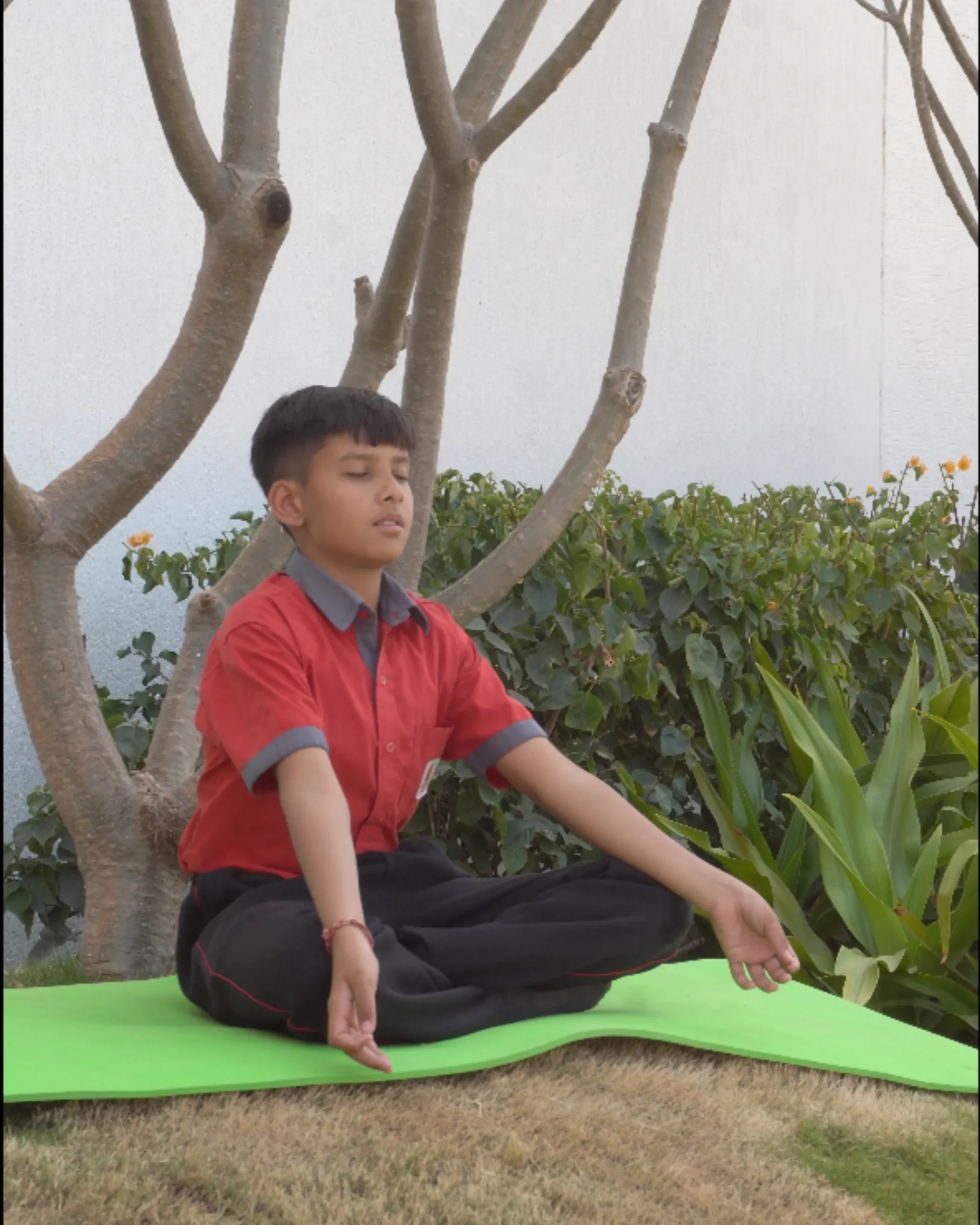
- Pranamaya Kosha (The Energy Sheath): Governed by breath and vital life force, this layer thrives when children learn to manage their energy and maintain emotional stability. Through regular yoga, mindful breathing practices and outdoor exploration, students develop calm focus and natural resilience against daily stress.
- Manomaya Kosha (The Mental and Emotional Sheath): This dimension covers our thoughts, feelings and immediate sensory processing abilities. Collaborative group projects, arts, music and empathetic peer discussions help students process their emotions constructively and build deep social intelligence.
- Vijnanamaya Kosha (The Intellectual Sheath): The realm of higher intellect, discernment and wisdom blooms through inquiry-based, experiential learning rather than rote memorization. Students engage in hands-on projects, critical thinking challenges and real-world problem-solving that connect textbook concepts to actual life.
- Anandamaya Kosha (The Bliss Sheath): The innermost core represents profound joy, creativity and inner peace, often awakened through connection with nature, art and community service. Living amidst the serene landscape of Ambaji allows children to experience quiet reflection and a deep sense of belonging to the world around them.
Comparing Conventional Schooling with the Panchkosha Framework
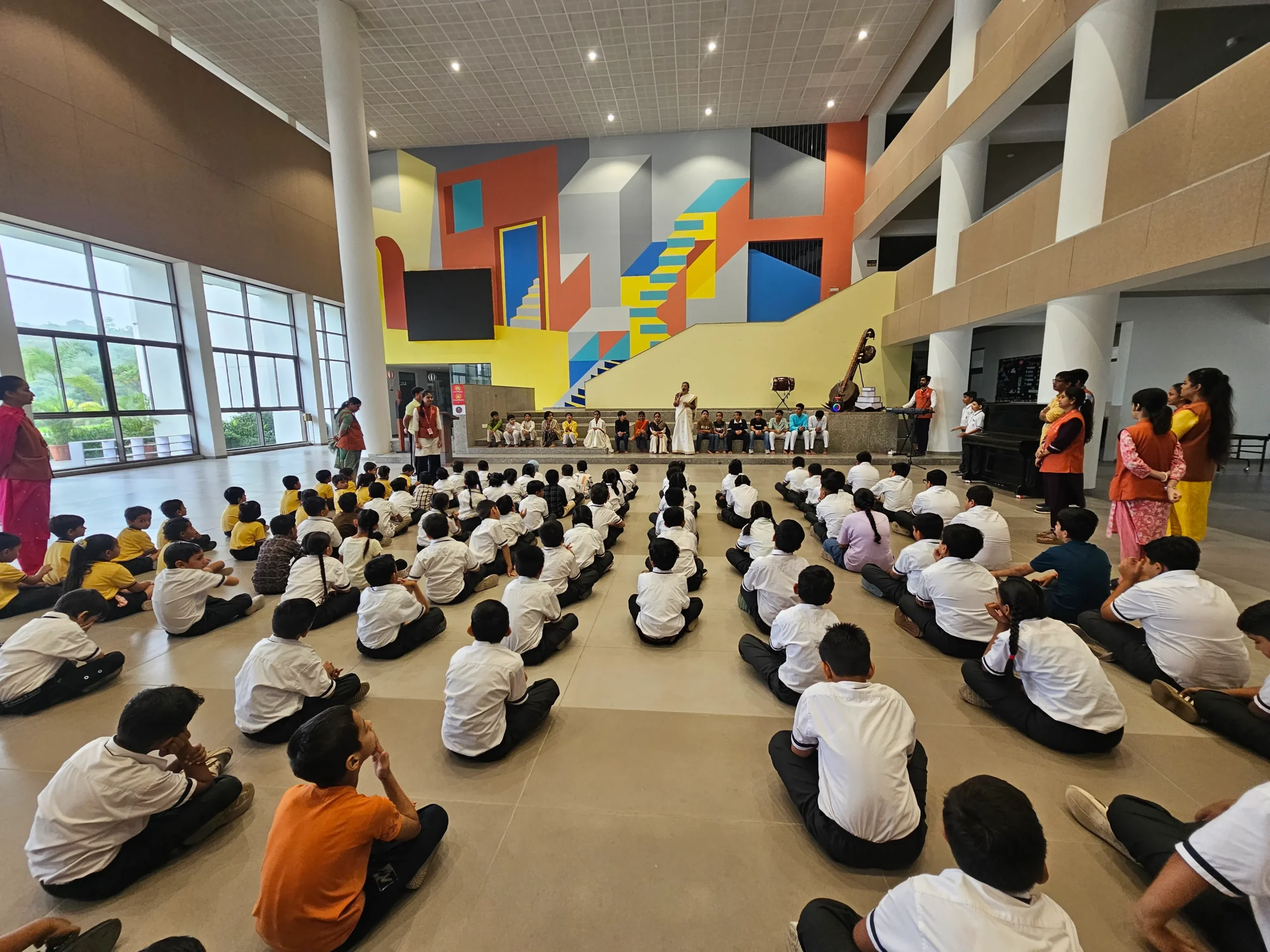
Moving away from rigid, factory-model education requires a deliberate shift in how schools design their daily rhythms, curricula, and campus environments.
| Conventional Approach | SSI Approach |
|---|---|
| Focuses primarily on academic marks and exam scores | Nurtures physical, mental, emotional, intellectual, and spiritual growth |
| Confines learning strictly to indoor air-conditioned classrooms | Integrates learning with nature across the open Aravalli landscape |
| Relies heavily on rote memorization and lectures | Emphasizes experiential learning, inquiry, and practical wisdom |
| Ignores emotional and energetic well-being | Integrates yoga, mindfulness, and active emotional intelligence |
Why the Aravalli Hills Provide the Ultimate Setting for Holistic Growth
The physical environment in which a child spends their formative years plays a monumental role in shaping their worldview and inner peace. Surrounded by the ancient, green slopes of the Aravalli hills near Ambaji, students experience a sensory richness that urban concrete jungles simply cannot replicate. Open spaces, seasonal changes and starry night skies awaken a natural curiosity and grounding that textbooks alone can never achieve.
This setting naturally encourages children to step away from screens and engage with the living earth. Walking forest trails, observing local flora and fauna and participating in outdoor community living builds an instinctive respect for the environment. In this peaceful sanctuary, education becomes an immersive lifestyle rather than a standardized institutional procedure.
Ready to Give Your Child a Future-Ready Education?
See if SSI Ambaji's nature-based, innovation-first CBSE program is the right fit for your child. Admissions are open for boarding, residential, and day school.