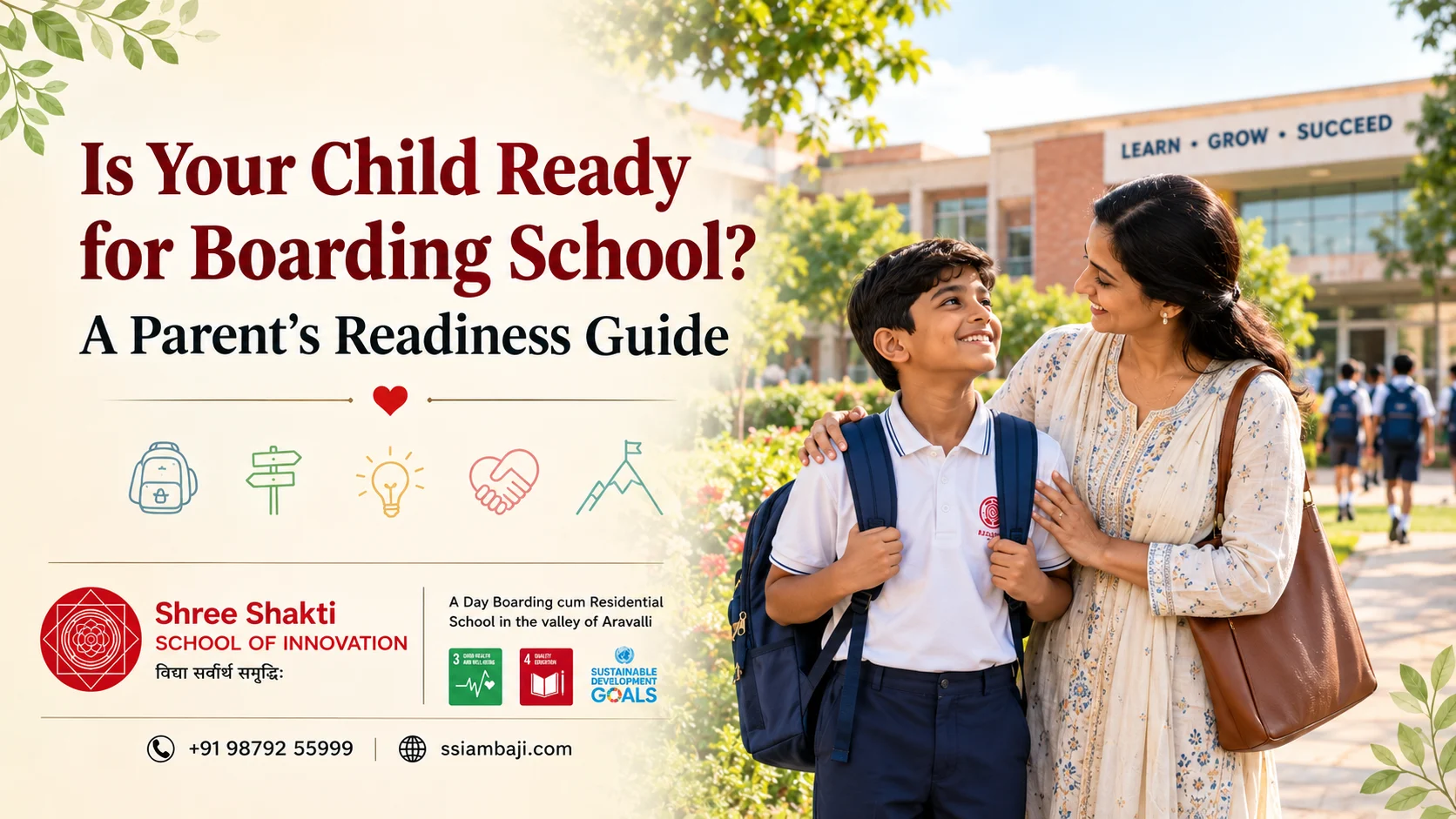
Making the decision to send your child to a boarding school is a major milestone for any family. The prospect of living away from home brings unique opportunities for growth, independence, and holistic development. But the core question remains: is your child ready for boarding school? Deciding on residential education requires a thorough evaluation of your child's emotional maturity, readiness for daily responsibilities, and overall temperament. In this guide, we dive deep into the essential factors parents must consider to make an informed choice.
Table of Contents
- What Does Boarding School Really Mean for Young Learners?
- What Age Is Suitable for Boarding School Admission?
- 10 Signs Your Child May Be Ready for Residential Education
- Is Your Child Emotionally Independent & Self-Reliant?
- Can Your Child Manage Daily Personal Responsibilities?
- How Does Homesickness Affect Children & How Can It Be Overcome?
- How Can Parents Prepare Their Child Mentally & Emotionally?
- What Critical Questions Should Parents Ask the School Administration?
- How Does SSI Support Residential Students (Panchkosha Model)?
- Frequently Asked Questions (FAQs)
- Conclusion: Making an Informed Choice for Your Child's Future
1. What Does Boarding School Really Mean for Young Learners?
Boarding school is more than just a place where students live and study; it is an immersive ecosystem designed for holistic development. For young learners, residential education means adopting a structured daily routine, learning to collaborate with peers from diverse backgrounds, and fostering independence. A well-designed hostel life replaces the comfort of home with a supportive, disciplined environment that prepares children for the complexities of adulthood. It is a transformative journey that encourages self-discovery, leadership, and resilience.
2. What Age Is Suitable for Boarding School Admission?
One of the most frequently asked questions is regarding the ideal boarding school readiness age. While some children thrive when they enroll as early as 9 or 10 years old (typically around grade 4 or 5), others may be better suited to start in middle school (grades 6 to 8) when they possess a stronger sense of self. The "right" age largely depends on the individual child's maturity and emotional stability. By early middle school, children often demonstrate the cognitive ability to understand the benefits of residential school preparation and adapt to life away from their primary caregivers.
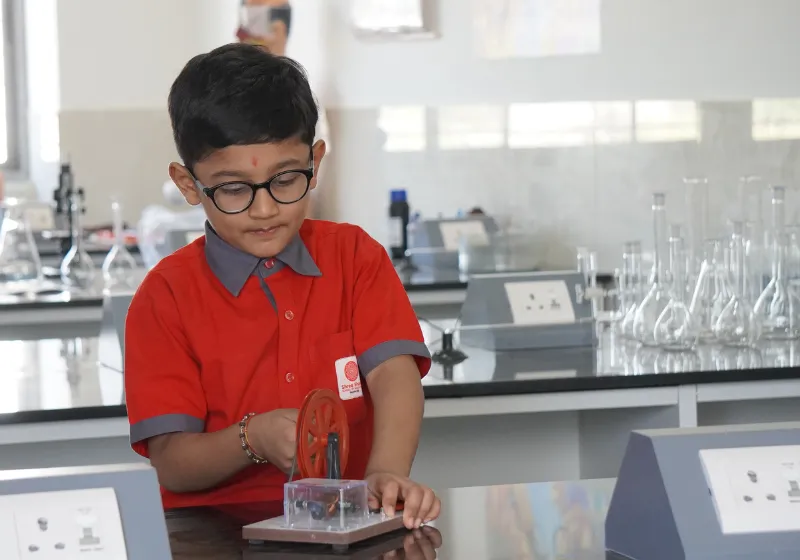
3. 10 Signs Your Child May Be Ready for Residential Education
Determining if your child is ready requires careful observation. Here are the top 10 signs child is ready for hostel life:
- Curiosity about Independence: They express a desire to handle tasks independently.
- Social Adaptability: They comfortably interact with new people and make friends easily.
- Conflict Resolution: They can navigate minor disagreements without excessive distress.
- Following Routines: They appreciate and follow structured schedules at home.
- Self-Advocacy: They are capable of asking for help from adults when needed.
- Excitement for Extracurriculars: A strong interest in sports and activities that require longer engagement.
- Managing Away Time: They enjoy sleepovers or extended camps without severe anxiety.
- Academic Focus: They display self-motivation in completing homework.
- Respect for Rules: They understand and respect household and school rules.
- Open Communication: They can articulate their feelings, both positive and negative.
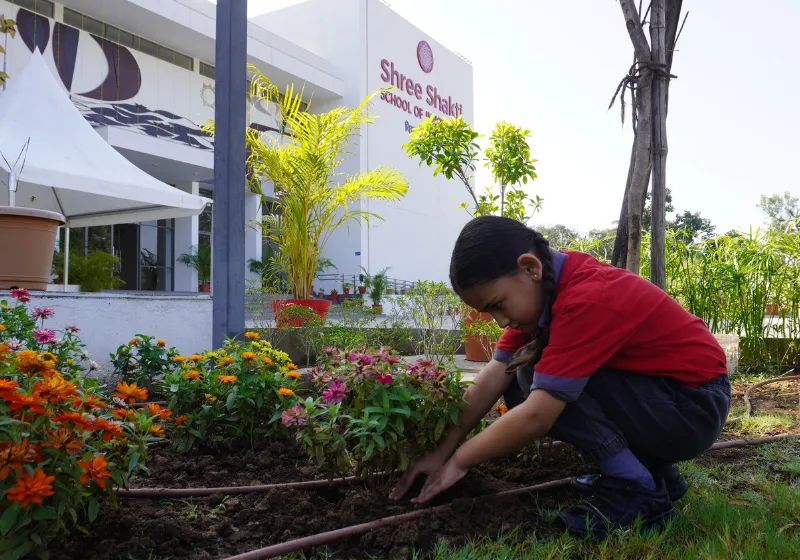
4. Is Your Child Emotionally Independent & Self-Reliant?
Emotional independence is a cornerstone of boarding school readiness. A child who is emotionally self-reliant can process their feelings, self-soothe during minor setbacks, and maintain a positive outlook without constant parental reassurance. This doesn't mean they won't miss home, but rather that they possess the emotional toolkit to manage those feelings constructively. Evaluating this trait involves assessing how your child reacts to failure, peer conflicts, and unfamiliar environments.
5. Can Your Child Manage Daily Personal Responsibilities?
Living on campus requires students to manage their personal hygiene, organize their belongings, and adhere to a timeline. If you are exploring a day school vs boarding school guide, consider whether your child can wake up on time, pack their school bag, and maintain basic cleanliness. While schools provide immense support and supervision, possessing foundational daily skills eases the transition significantly and empowers the child in their new environment.
6. How Does Homesickness Affect Children & How Can It Be Overcome?
Homesickness is a natural and expected part of residential life. It usually manifests in the initial weeks as children adjust to the separation from their families. While it can cause temporary sadness or anxiety, it is also a catalyst for immense personal growth. Effective managing homesickness in children involves open communication, establishing a regular but controlled contact schedule with parents, and encouraging the child to engage fully in campus activities. A supportive school environment plays a vital role in helping students build a new "home away from home."
7. How Can Parents Prepare Their Child Mentally & Emotionally?
Preparation starts long before the admission process. Parents can build excitement by framing the boarding experience as an adventure and a privilege. Involve the child in the decision-making process, whether it's choosing dorm supplies or discussing the daily routine. Openly acknowledge their fears while reinforcing your confidence in their abilities. For a more comprehensive overview, refer to our Complete Parent's Guide to Boarding School, which provides actionable steps to ensure your child feels secure and prepared.
8. What Critical Questions Should Parents Ask the School Administration?
When shortlisting institutions, parents must ask targeted questions to ensure a safe and nurturing environment. Inquire about the student-to-warden ratio, the protocol for medical emergencies, and the school's specific approach to counseling and emotional support. It's crucial to understand how the school integrates new students and handles bullying or homesickness. This diligence guarantees that the school's values align with your family's expectations for pastoral care.
9. How Does SSI Support Residential Students (Panchkosha Model)?
At Shree Shakti School of Innovation, we believe that education extends far beyond the classroom. The residential education at SSI is deeply rooted in the ancient Panchkosha educational model, which nurtures the five layers of a child's being—physical, vital, mental, intellectual, and spiritual. Our SSI Ambaji boarding school environment provides a nature-based, serene campus where experienced educators and wardens act as mentors. We ensure that students not only excel academically but also develop resilience, empathy, and cultural grounding in a secure, loving community.
10. Frequently Asked Questions (FAQs)
What is the right age to send a child to a boarding school?
The ideal boarding school readiness age typically ranges between 10 to 12 years (grades 5 through 7). At this stage, children are generally more emotionally developed and capable of handling daily responsibilities, making the transition to a residential environment smoother.
How can I tell if my child is ready for boarding school?
Key signs include a desire for independence, the ability to manage personal hygiene, adaptability in new social settings, and the capacity to sleep away from home without severe anxiety. A child's curiosity about extracurriculars is also a positive indicator.
What is the Panchkosha model in residential education?
The Panchkosha model is an ancient Indian educational philosophy focusing on holistic development across five layers: physical, vital, mental, intellectual, and spiritual. SSI Ambaji uses this framework to ensure residential students achieve balanced, comprehensive growth.
How do schools manage homesickness?
Schools manage homesickness by keeping students engaged in a structured routine of academics and activities. Trained pastoral staff and counselors provide emotional support, while scheduled communication with parents helps students gradually adjust and build resilience.
How can I apply for residential admission at SSI Ambaji?
Parents interested in enrolling their children can explore our comprehensive curriculum and apply directly. For detailed information on the admission process, please visit our residential school admission in Ambaji page.
11. Conclusion: Making an Informed Choice for Your Child's Future
Deciding if your child is ready for boarding school is a deeply personal choice that requires balancing their emotional maturity with the incredible opportunities residential education offers. By observing the signs of readiness, preparing them emotionally, and choosing an institution that prioritizes holistic well-being—like the Panchkosha-driven environment at SSI Ambaji—parents can confidently set their children on a path to lifelong success and independence.
Ready to visit?
Experience our serene campus and holistic learning environment firsthand.
Ready to Give Your Child a Future-Ready Education?
See if SSI Ambaji's nature-based, innovation-first CBSE program is the right fit for your child. Admissions are open for boarding, residential, and day school.