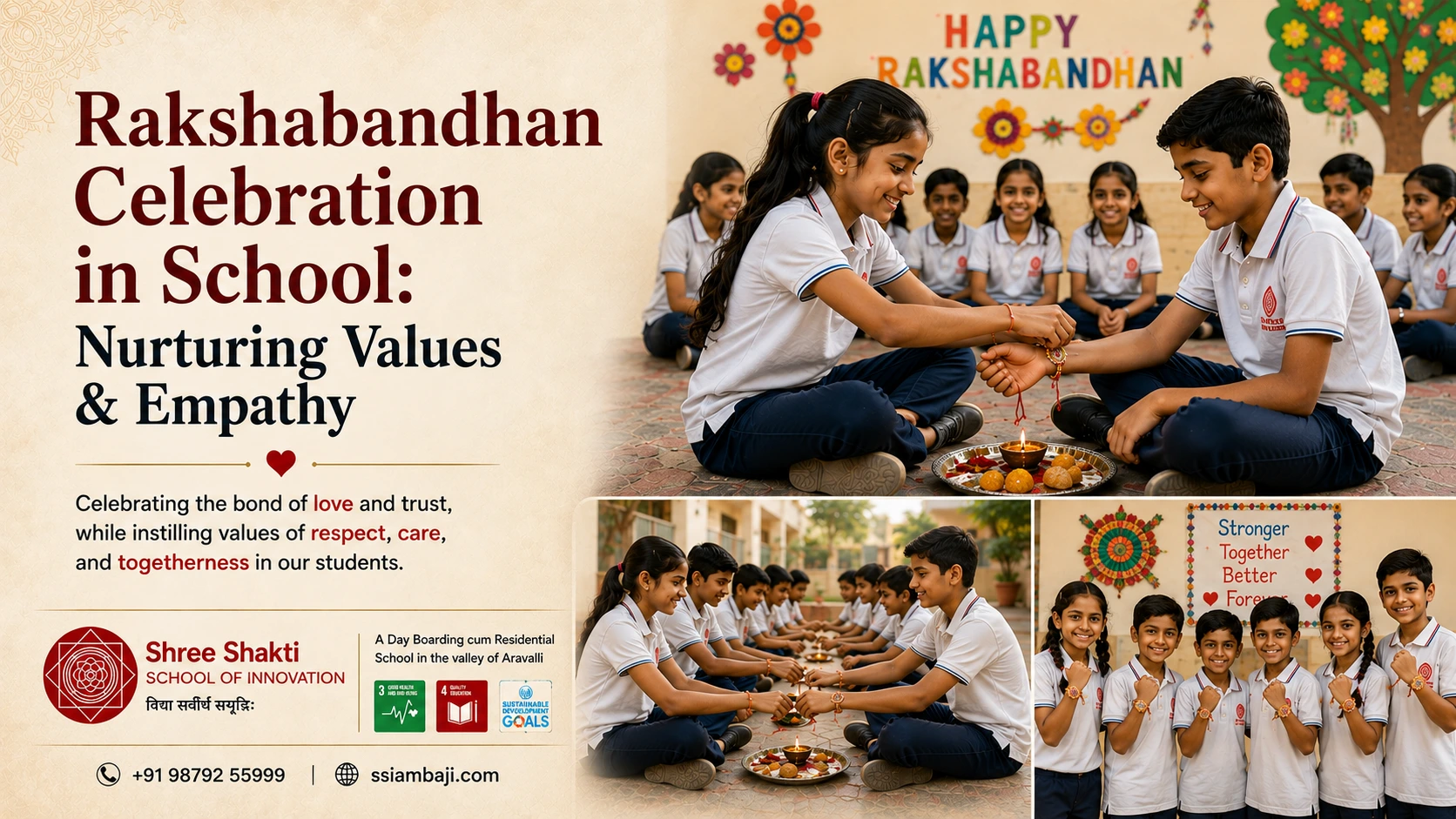
Cultural celebrations form the bedrock of character education in progressive schools. Beyond academic excellence, children require strong ethical grounding, cultural appreciation, and emotional awareness to grow into responsible global citizens. Among Indian festivals, Rakshabandhan holds a cherished place as a profound celebration of love, commitment, protection, and mutual respect.
Organizing a meaningful Rakshabandhan celebration in school transcends decorative rituals. It provides educators with an authentic platform to teach empathy, strengthen peer relationships, and connect students to timeless Indian traditions. In modern educational environments, festival celebrations bridge classroom learning with real-life values, creating compassionate and socially conscious young learners.
Introduction: Why Celebrating Rakshabandhan in Schools Matters
School is often a child’s first social community outside the home. While textbooks convey intellectual concepts, experiential celebrations shape a student’s character and worldview. Celebrating festivals like Rakshabandhan in an academic environment helps children understand that relationships are built on trust, responsibility, and emotional support.
In today's fast-paced digital world, children frequently interact through screens rather than meaningful face-to-face engagements. School-level festival events reintroduce tangible human connection. When students create handcrafted Rakhis, write heartfelt gratitude messages, and participate in communal assemblies, they internalize the joy of giving, sharing, and protecting one another.
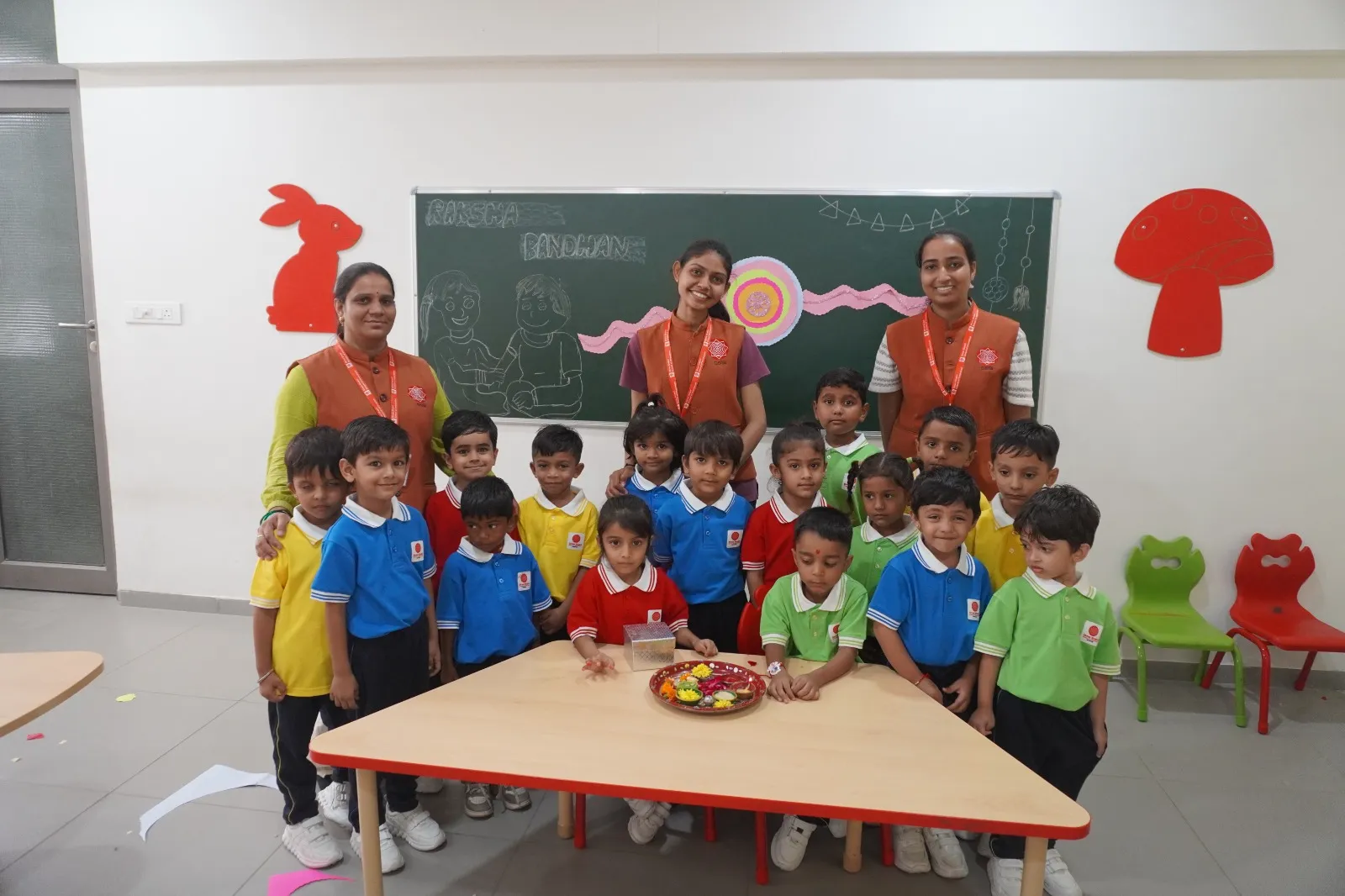
The Deeper Educational & Moral Significance of Rakshabandhan
Traditionally, Rakshabandhan celebrates the sacred bond between brothers and sisters, symbolized by tying a protective thread across the wrist. In an educational context, this ritual carries broader moral and psychological dimensions that enrich student development:
- The Value of Protection and Care: Children learn that true strength lies in standing up for others, protecting weaker peers, and upholding kindness.
- Expressing Gratitude: The exchange of Rakhis and sweets encourages students to articulate appreciation for their siblings, classmates, teachers, and school support staff.
- Understanding Sacred Commitments: Tying a thread represents a pledge of lifelong loyalty, respect, and mutual support, helping children appreciate the dignity of promises.
- Cultural Identity & Pride: Participating in traditional festivities deepens a child’s connection to Indian heritage, instilling a healthy sense of cultural identity within a globalized world.
Core Takeaway: Festival integration in academic life promotes moral integrity, turning abstract ethical concepts into daily lived experiences.
By integrating these lessons into daily schooling, institutions cultivate well-rounded personalities equipped with moral integrity.
Nurturing Emotional Intelligence & Empathy (Manomaya Kosha)
Indian educational philosophy emphasizes that learning involves more than cognitive memory; it must nurture the emotional realm. Ancient wisdom frameworks such as Panchkosha highlight the development of Manomaya Kosha (the mental and emotional layer of personality). Festival celebrations serve as ideal instruments for emotional growth.
During Rakshabandhan, activities such as peer Rakhi exchanges and reflective writing encourage children to identify and express positive emotions. Educators guide students to consider how their actions affect others, fostering deep interpersonal empathy. Children who develop strong emotional intelligence demonstrate higher resilience, better teamwork in group projects, and healthier social behavior throughout their academic journey.
Creative & Hands-On Rakshabandhan Activities for Students
A vibrant school celebration involves engaging, age-appropriate activities that combine artistic creativity with value-based reflection. Effective school programs include:
1. Eco-Friendly Rakhi-Making Workshops
Using biodegradable materials such as cotton threads, jute, seeds, dried flowers, and recycled paper, students craft sustainable Rakhis. This activity blends artistic expression with environmental stewardship, teaching children to respect nature while honoring tradition.
2. Gratitude Wall & Message Cards
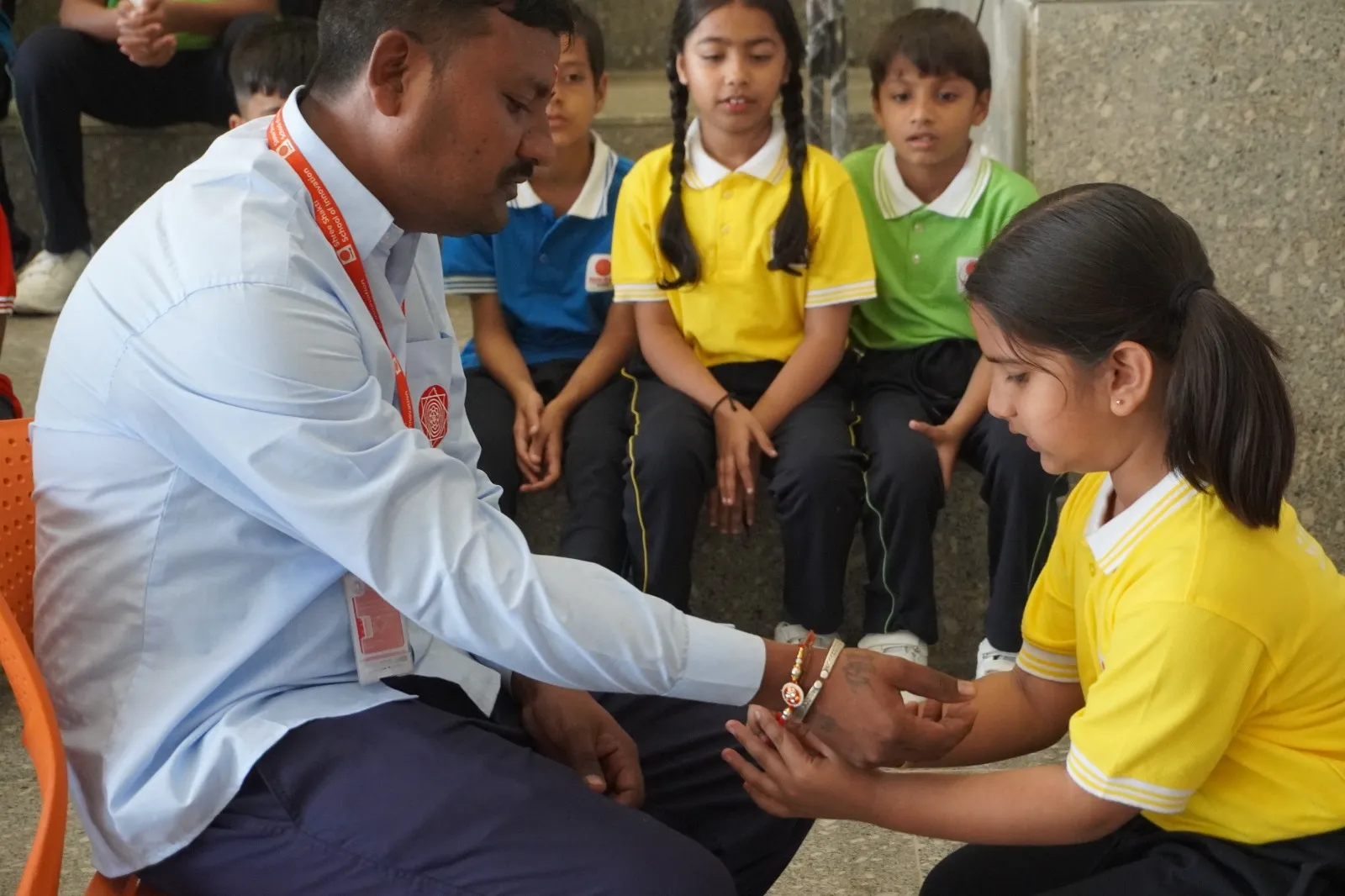
Students write personalized thank-you notes to their siblings, classmates, mentors, and campus helpers (such as bus drivers, security guards, and maintenance staff). Tying "Gratitude Rakhis" to community helpers teaches children that every individual contributes to their well-being.
3. Cultural Assemblies & Storytelling
Interactive assemblies featuring theatrical skits, traditional music, and narrative storytelling explore historical and mythological accounts of Rakshabandhan—such as the stories of Queen Karnavati and Emperor Humayun, or Krishna and Draupadi. These stories illustrate how Rakshabandhan transcends blood ties to embrace universal protection.
4. Creative Writing and Poetry Sessions
Older students participate in essay writing, poetry composition, and debate sessions focusing on modern interpretations of mutual protection, gender equality, and sibling camaraderie.
Fostering Mutual Respect, Inclusivity, and Universal Brotherhood
Modern education must promote inclusivity and gender equity. A progressive Rakshabandhan celebration in school expands traditional boundaries to foster universal brotherhood (Vasudhaiva Kutumbakam).
Schools encourage girls and boys to tie Rakhis to one another as a symbol of mutual respect, equality, and shared responsibility. Rather than viewing protection as a one-sided duty, students learn that boys and girls protect, support, and empower each other equally. This inclusive perspective eliminates gender stereotypes, builds healthy peer relationships, and creates a harmonious, bully-free campus culture.
Cultural Traditions at SSI Ambaji: Blending Heritage with Modern Learning
Located near the historic and spiritual landscape of Ambaji, Gujarat, Shree Shakti School of Innovation (SSI Ambaji) exemplifies how modern CBSE education can seamlessly integrate cultural heritage with forward-looking pedagogy.
At SSI Ambaji, festival celebrations are an essential component of our holistic education model. Anchored in the Panchkosha framework, our campus environment nurtures physical, vital, mental, intellectual, and spiritual growth. During festival events:
- Students participate in nature-integrated outdoor celebrations that foster joy and community bonding, reflecting our core essence and educational philosophy.
- Co-curricular programs and artistic workshops encourage creative expression through student activities and cultural events.
- Residential and day-boarding students celebrate together as one extended family, creating a warm, supportive home-away-from-home atmosphere.
By celebrating festivals with enthusiasm and purpose, SSI Ambaji ensures that students remain deeply rooted in Indian values while preparing for global challenges. Parents interested in exploring our holistic learning environment can learn more about our school admissions process.
The Role of Parents & Educators in Reinforcing Cultural Roots
Character development requires active collaboration between home and school. When parents and educators align their efforts, festival lessons leave a lasting impression on young minds.
How Parents Can Extend Festival Learning at Home:
- Share Family Traditions: Discuss family history and the significance of rituals during home celebrations.
- Encourage Sibling Cooperation: Use Rakshabandhan to reinforce kindness, sharing, and conflict resolution among siblings.
- Model Inclusivity: Encourage children to extend festival wishes to neighbors, domestic helpers, and community members.
- Engage with School Events: Attend school cultural functions and support your child’s participation in co-curricular projects.
When children see their parents and teachers valuing tradition, they absorb these principles as lifelong habits.
Conclusion: Building Compassionate Future Leaders Through Tradition
A thoughtful Rakshabandhan celebration in school is far more than an annual event; it is a vital lesson in human connection, empathy, and moral responsibility. By teaching children to honor promises, respect their peers, and express gratitude to society, schools lay the foundation for compassionate future leaders.
At Shree Shakti School of Innovation (SSI Ambaji), we believe that true education balances modern innovation with timeless cultural wisdom. If you are seeking a school that values character building alongside academic excellence, we invite you to contact the admissions team at SSI Ambaji and schedule a personalized campus tour today.
Frequently Asked Questions
What exactly is Panchkosha education?
Panchkosha education is a holistic developmental framework based on the five layers of human existence: physical, energetic, emotional, intellectual, and spiritual. It ensures that a child grows into a balanced, resilient, and conscious individual rather than just focusing on academic test scores.
How does living in the Aravalli hills support my child's daily learning?
The natural campus environment in Ambaji reduces screen time, promotes physical fitness, and offers a calm, pollution-free atmosphere conducive to deep concentration and emotional peace. Nature acts as an active co-teacher in our daily residential routine.
Is the curriculum aligned with standard CBSE academic requirements?
Yes, our curriculum fully integrates rigorous CBSE academic standards with experiential, inquiry-based learning methods. Students achieve strong board results while simultaneously developing vital life skills and emotional intelligence.
What facilities are available for residential students on campus?
Our residential campus features secure, comfortable living quarters, nutritious organic meals, dedicated mentors for pastoral care, and modern sports and arts facilities. Every aspect of hostel life is designed to foster independence, community values, and personal hygiene.
Ready to Give Your Child a Future-Ready Education?
See if SSI Ambaji's nature-based, innovation-first CBSE program is the right fit for your child. Admissions are open for boarding, residential, and day school.