What happens when a campus becomes a tinkering lab? At SSI Ambaji, Innovation Week turns the Aravalli living classroom into a workshop — where young makers code, build, test and share, with nature as co-teacher and curiosity as compass.
Table of Contents
Innovation is not a gadget; it is a habit of noticing a problem, trying a solution and improving. At Shree Shakti School of Innovation — A School That Doesn't School — we call this innovation-first, values-anchored, and we give it a week to shine.
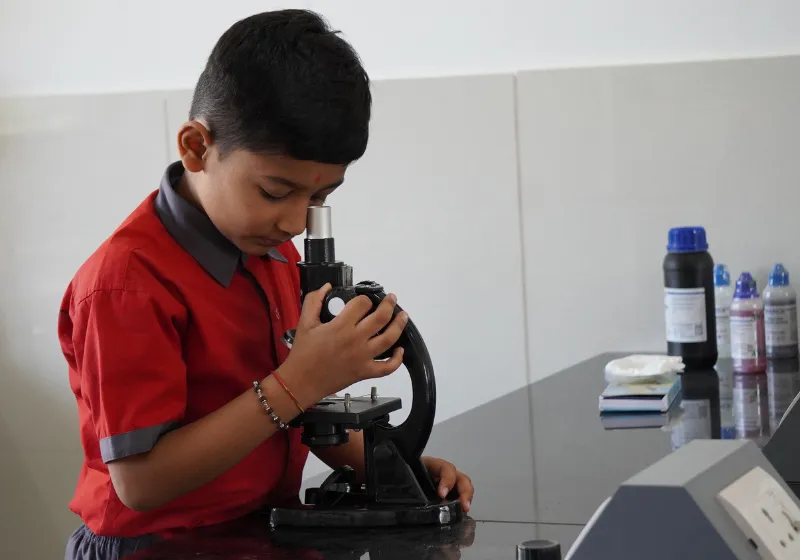
For five days, classrooms become studios, corridors become galleries, and the Aravalli campus becomes a living lab. Guided by Dimensions of Learning and Panchkosha, students from Early Years to Middle Years tinker, code, prototype and present — the campus is a living classroom where curiosity does the teaching.
Why Innovation-First Matters at a CBSE School Now
CBSE now rewards application, not rote recall — and the future of work rewards makers who can learn, unlearn and relearn. Innovation Week builds that muscle early: defining a problem, ideating without fear, testing with data, and speaking about failure honestly.
This is character building alongside academic excellence. A child who debugs a robot or re-measures a water model learns patience, collaboration and communication — the same strengths that lift CBSE scores. See how we scaffold this in the Essence of SSI and our Mission.
Parents hear it at dinner: “We tried three designs; the third floated.” That sentence holds resilience, measurement and joy — Learning with Nature. Growing with Purpose. in one story.
Core Takeaway: Innovation Week at SSI teaches not tech alone but the habits behind it — curiosity, iteration and courage to share work-in-progress.
How Innovation Week Runs: Tinker, Test and Share
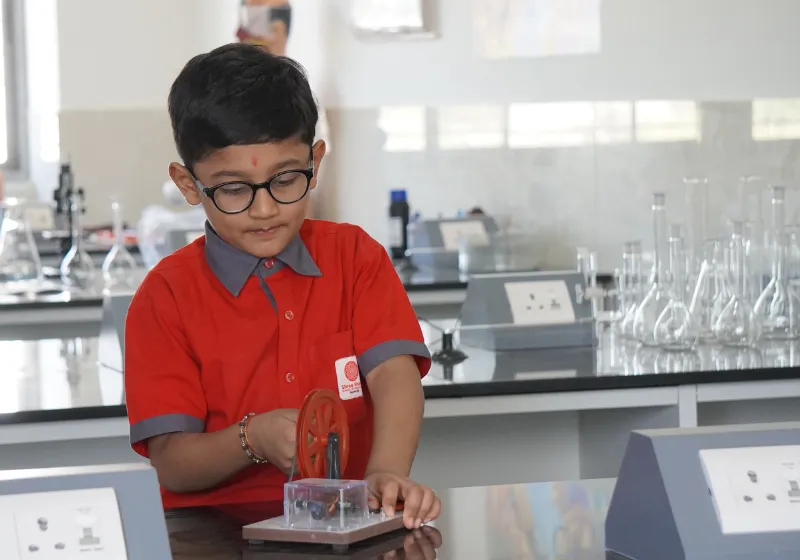
Day 1 — Problem hunt. Students walk the campus noting real problems: a dripping tap, a sunny corner that could power a reading light, a path that floods after rain. Day 2 — Ideate and sketch. Teams draw, debate and choose one testable idea.
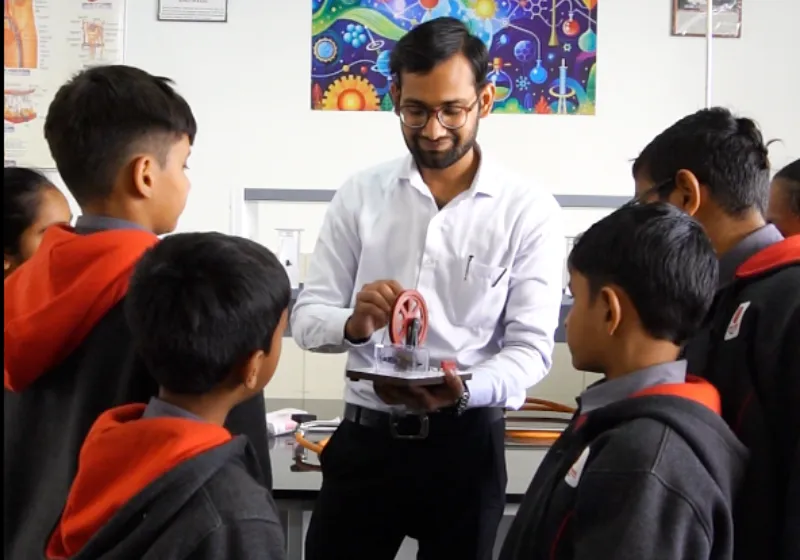
Day 3 — Build. Cardboard, sensors, microcontrollers, clay and code come together in maker corners. Teachers coach, not command. Day 4 — Test outdoors. Water models run by the garden, solar carts on the courtyard, air-quality strips near the gate — nature as co-teacher gives feedback instantly.
Day 5 — Share. A makers’ mela invites peers, parents and mentors to try, question and suggest. Every model carries a small placard: problem, trial, learning. That gallery culture mirrors activities at SSI — where arts, coding and service share the same timetable respect.
"When a Grade 5 team explains why version two failed and version three worked, they are practising the most durable innovation skill — learning out loud."
Nature as Co-Teacher for Innovation
Aravalli context makes ideas local and low-cost. Water is our teacher: children measure rain, slope and flow to propose harvesting tweaks. Sun is our power: they angle a panel and log light. Soil is our tester: pH kits from the garden inform what to grow where.
The IGBC Platinum campus itself is a prototype students can study — daylight, ventilation, compost, native plants — green proof, not greenwash, that sustainability and ingenuity belong together.
Even boarders innovate at dusk — hostel power audits, night sky observations and repair clinics where uniforms and toys are fixed, not thrown. The best classroom has no walls when the whole campus is the kit.
Core Takeaway: Nature as co-teacher keeps innovation grounded, frugal and caring — solutions that fit Ambaji and can travel beyond.
From Idea to Impact: Young Citizens, Real Problems
Innovation Week ends, but projects live on. A water-saving model tested by Grade 7 now monitors a garden bed. A Grade 4 paper tower for ‘earthquake-safe design’ becomes a classroom display on stability. A Grade 8 low-cost sanitary pad dispenser idea moves to a pilot with mentors.
Impact is shared, not shelved. Teams present at assembly, in newsletters and to parents — practising compassionate future leadership where communication matters as much as circuitry. Compare with values celebrations in Rakshabandhan and Ganesh Chaturthi — same habit of making with meaning.
Day scholars take kits home; boarders refine in evening maker time. That continuity is meaningful and sustainable education — the same child, supported the whole day toward a future-ready life.
Conclusion: Come Meet the Young Makers
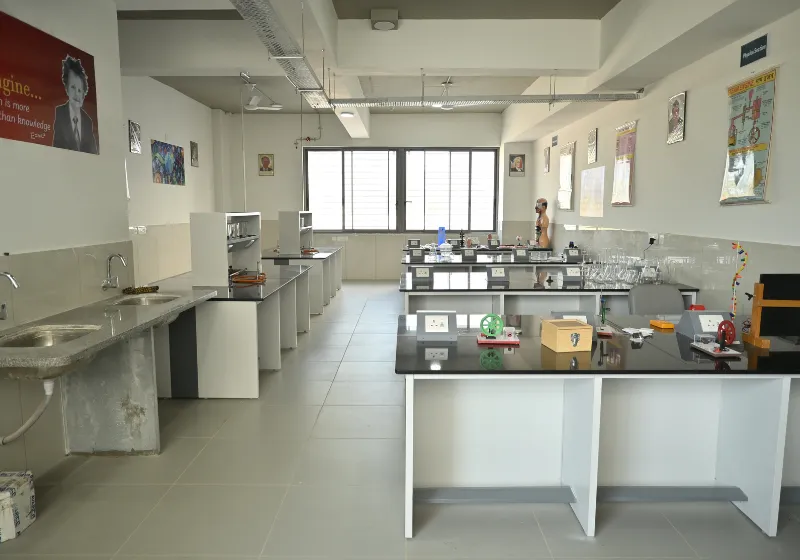
Innovation Week reminds us that children are not waiting to innovate someday; they are makers today — curious, careful and brave enough to show drafts. At SSI Ambaji, we just give them place, time and trust.
Come meet them. Admissions are open for day and boarding — book a campus tour and walk the living lab where nature and ingenuity grow together.
Frequently Asked Questions
Meet the Young Makers | Visit SSI Ambaji
Curiosity plus doing — book a campus tour to see Innovation Week makers turning Aravalli problems into bright ideas.
Ready to Give Your Child a Future-Ready Education?
See if SSI Ambaji's nature-based, innovation-first CBSE program is the right fit for your child. Admissions are open for boarding, residential, and day school.